

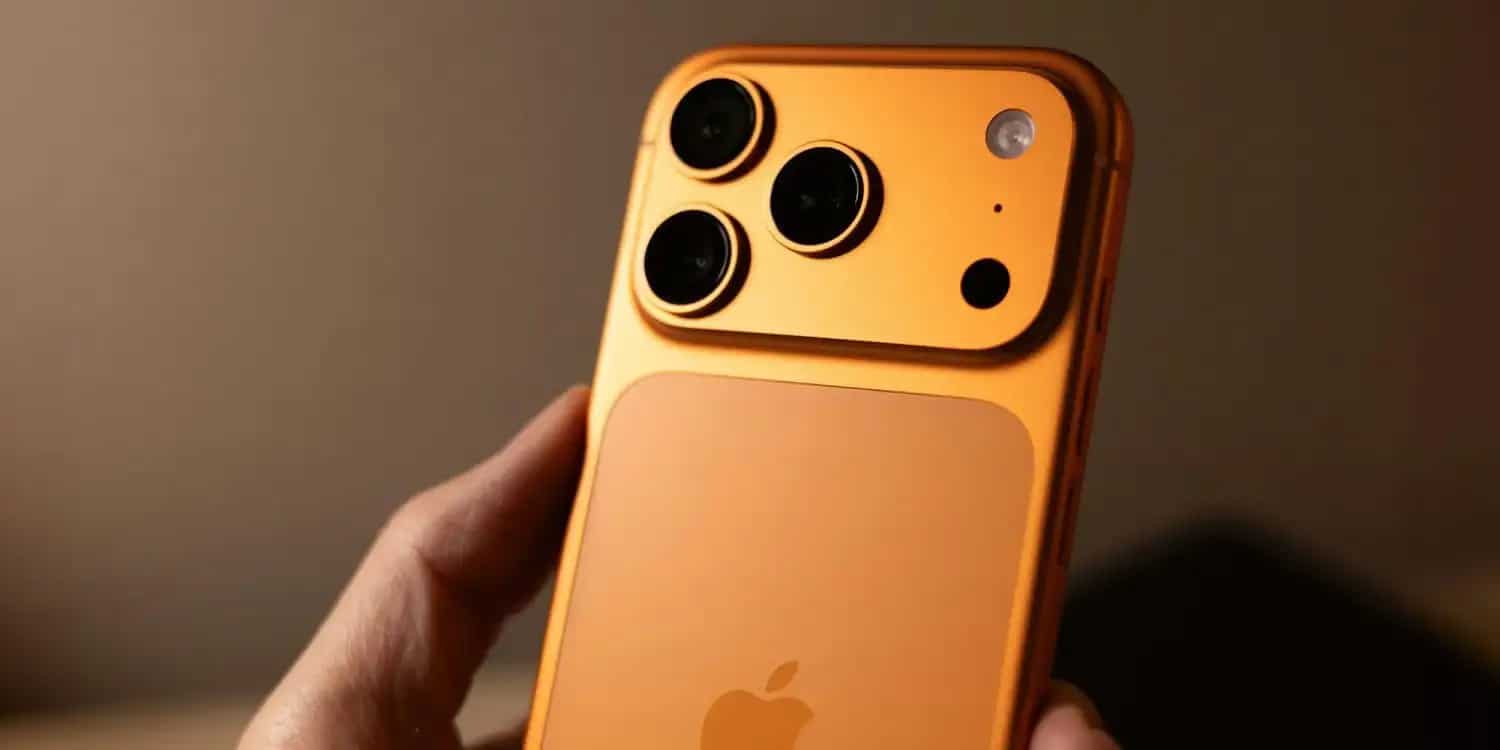
Technology giant Apple is working on an innovative accessory that can radically change the user experience. According to information leaked from reliable sources and new patents received by the company, we may meet a touch-controlled iPhone case in the near future. These new generation smart cases aim to go far beyond protecting an iPhone and offer a completely new interface for interacting with the device.
This revolutionary accessory can offer an alternative control method by reducing the need to touch the phone's own screen. This move by Apple is seen as a logical solution, especially for iPhone designs that are rumored to be completely frameless and buttonless in the future. Let's take a closer look at the details of this exciting technology and how it can change our lives.
Apple's New Patent: What is a Touch Control iPhone Case?
This new step of Apple, which resonates in the technology world, is embodied in a patent titled “Case with Login Functionality for Electronic Devices”. This patent details the idea of managing various functions of the iPhone, thanks to touch-sensitive areas integrated into the surface of a case. This technology aims to transform the case from a passive protector into an active entry device.
According to patent documents, this smart case is designed to include capacitive or pressure-sensitive sensors. Users will be able to control their iPhone by touching, swiping or long pressing certain points on the case. This is a testament to how advanced the touch-controlled iPhone case concept can be.
Patent Details and Advanced Touch Interface Technology
The patent states that communication between the case and the iPhone can be achieved through technologies such as NFC (Near Field Communication). In this way, the phone will automatically recognize the case attached to it and will be able to disable some physical buttons to process commands from the case. This seamless integration will make the user experience smoother.
Touchpads can perform basic functions like turning volume up and down, switching between music tracks, or using the camera shutter. Users can also be assigned customizable shortcuts that will allow them to quickly access their favorite applications or specific settings. These features show how flexible touch-controlled iPhone case technology can be.
Alternative Control Methods: Fingerprint Sensor and Other Possibilities
Another noteworthy detail in Apple's patent is a fingerprint sensor that can be integrated into the side of the case. This could offer a practical solution for device security, especially at a time when under-display Touch ID technology is not yet fully widespread. Users can simultaneously unlock their phones with the sensor on the case while taking them out of their pockets.
The possibilities mentioned in the patent are not limited to this. Thanks to pressure-sensitive sensors, certain commands can also be assigned to movements such as squeezing the sheath. Such innovative control methods are part of Apple's vision to free iPhone interaction from being solely dependent on the screen.
Potential Uses of the Touch Control iPhone Case
A new touch-controlled iPhone case can provide great convenience to users in many different scenarios in daily life. This technology not only simplifies basic controls, but also opens new doors in entertainment and productivity. The smart case concept can completely change our iPhone usage habits.
For example, this case can be a lifesaver when you don't want to touch the phone screen while wearing gloves or when your hands are dirty. You can answer calls or manage music thanks to the controls on the outer surface of the case. This is an important example of the practical benefits of technology.
Media Consumption and Effortless Music Control
The most frequently needed controls when listening to music or watching videos are volume adjustment and track switching. The touch-controlled iPhone case allows you to perform these operations without taking the phone out of your pocket or bag. You can easily adjust the volume with a slide area integrated into the edge of the case.
Likewise, it may be possible to skip to the next song by double-tapping a touch button on the case. This feature offers great ease of use, especially when doing sports, public transportation or driving (within security measures). Making media control so accessible will significantly improve the user experience.
Touch Features that Enrich the Gaming Experience
For mobile gamers, a touch-controlled case can take the gaming experience to a whole new level. Extra touch buttons that can be assigned to the back or side surfaces of the case provide a wider field of view by reducing the crowd of fingers on the screen. This is a huge advantage, especially in competitive shooter or action games.
This case can turn your iPhone into a portable game console. Although there is no tactile feedback similar to physical buttons, players can react faster and more precisely thanks to the extra assignable controls. If Apple opens this technology to game developers, we may see games with case-specific controls.
Advantages and Potential Challenges of a Smart iPhone Case
As with any new technology, the touch-controlled iPhone case concept has both exciting advantages and potential challenges to overcome. Although the benefits that this innovative accessory will offer to users are clearly seen, issues such as price, battery life and durability are also important. How Apple establishes this balance will play a key role in the success of the product.
The biggest advantage for users will undoubtedly be increased functionality and ease of use. However, it is a matter of curiosity how this additional functionality will be reflected in the thickness, weight and most importantly the cost of the case. Let's examine these advantages and disadvantages in more detail.
Benefits for Users: Protection and Functionality in One
The main benefit of this smart case is that it combines high-level protection with advanced functionality. While it protects your phone from drops and scratches, it also offers you new control possibilities. Especially on Pro models with large screens that are difficult to use with one hand, accessing basic controls via the case will provide a great ergonomic advantage.
Additionally, using the screen less often helps keep the screen cleaner by reducing fingerprint and smudge formation. This can indirectly extend the life of the screen and eliminate the need for constant screen cleaning. These small but important details will increase overall user satisfaction.
Potential Challenges: Battery Consumption, Price and Durability
A case containing touch sensors and communication modules (such as NFC) will have its own power consumption. It is not yet clear whether this power will be drawn from the iPhone's battery or whether the case will have its own small battery. In either case, its impact on the iPhone's overall battery life should be carefully considered.
Another important issue is the price. Considering the prices of even Apple's standard silicone cases, it is expected that a touch-controlled iPhone case model with such advanced technology will have a quite high price. Finally, how resistant the electronic components contained in the case will be to drops and bending is also a critical factor for the longevity of the product.
Integration into Apple Ecosystem and Future Vision
This new case technology from Apple is a reflection of the company's philosophy of designing hardware, software and accessories as a whole. More than just an accessory, the touch-controlled iPhone case will work as part of the Apple ecosystem. This also gives important clues about the company's future iPhone designs.
According to rumors, Apple is working on a completely frameless model without physical keys for the 20th anniversary of the iPhone in 2027. At this point, a touch-controlled smart case can become an indispensable complement to this type of design. This case, which will replace the physical keys, will allow Apple to take its minimalist design approach to the next level.


