

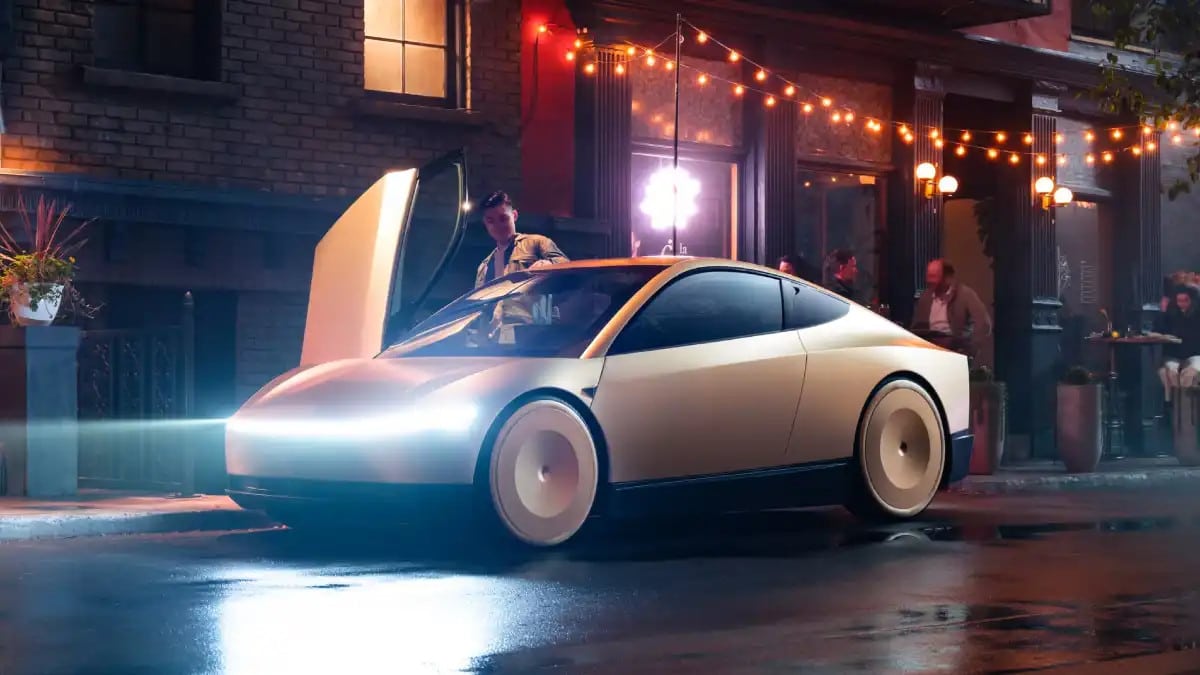
Revolutionary Development from Tesla: Fully Autonomous Electric Vehicle Delivery
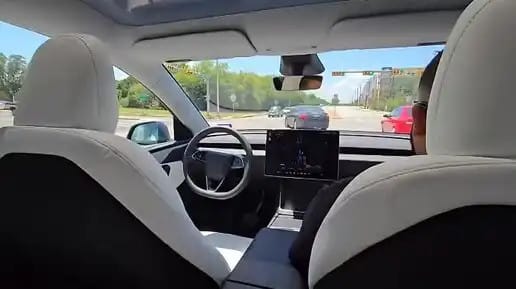
Tesla reached an important milestone in the technology world by delivering the first fully autonomous electric vehicle. The company's Model Y vehicle, equipped with the Full Self-Driving (FSD) system, reached its owner from the factory in Texas alone, on public roads, without any human intervention. There was neither a driver behind the wheel nor a remote operator in the vehicle.
According to Elon Musk's statements, this is the first time a Tesla vehicle has completed such an extensive drive in real-world road conditions. Ashok Elluswamy, one of Tesla engineers, gave the following information about the details of the test drive: Model Y reached speeds of up to 70 miles per hour (about 113 kilometers) on the highway, obeyed all traffic rules and progressed successfully on both urban roads and highways.
A New Era in Autonomous Driving Technology
This success of Tesla gives important clues about the future of autonomous driving technology. A world where vehicles can drive themselves could lead to radical changes in many areas, especially the transportation sector. Logistics, urban planning, and even our personal lifestyles can be affected by this technology.
Tesla and Its Rivals: The Race to Autonomous Driving Accelerates
Although other companies such as Waymo and Aurora are also testing autonomous systems, these vehicles are currently operating in limited test environments and do not perform any commercial transportation. Tesla's successful delivery marks a special milestone in the development of FSD technology. The implementation of this technology has been postponed many times. Elon Musk had promised fully autonomous cars as early as 2017, but Tesla is only now able to show real results.
The Future of Autonomous Vehicles: Expectations and Challenges
While this success of Tesla increases the expectations for autonomous vehicles, it also brings up some difficulties. Security, legal regulations, ethical issues and infrastructure requirements are some of the important obstacles to the widespread use of autonomous vehicles. However, in an environment where technological developments continue rapidly, these difficulties are expected to be overcome and autonomous vehicles will become an integral part of our lives in the future.
This latest success of Tesla is considered not only as a vehicle delivery, but also as an important sign showing the potential and future of autonomous driving technology. Developments in this field seem to radically change the transportation sector and our lives in general.


